






Before we get all enraptured over the incredible players our general manager will surely bring home at the trade deadline...

In 1949, Title I of the American Housing Act had become law. A lasting monument to the problem with good intentions, Title I was intended to provide federal subsidies for “slum clearance” in the country’s worst urban areas.
But Title I also gave cities considerable leeway in deciding just what to replace their “slums” with. The new construction only had to be “predominantly” residential, something that would also allow “office buildings…hotels [or] business plazas.”

Or ballparks. At least, that’s how The O’Malley figured it.
For years, Walter had been urging Robert Moses to do just that. Moses was no shrinking violet when it came to getting his hands on Title I funds or any other federal monies. But he still wanted any new ballpark to be out in Flushing, serving as an anchor to his new network of highways out there.
And maybe, just maybe, even the man who had hacked his way through so much of New York, was a little afraid of what O’Malley’s plan would have entailed.
For the Dodgers to get their brilliant new ballpark, federal formulas would have required a $250-million urban renewal project for a 110-block radius around the new stadium.

This would, for starters, have temporarily removed at least $110 million of real estate from the city’s tax rolls. It would have meant tearing down the treasured apartment houses and brownstones that stand today in Boerum Hill and Carroll Gardens and Cobble Hill; in Park Slope and Prospect Heights and Fort Greene.
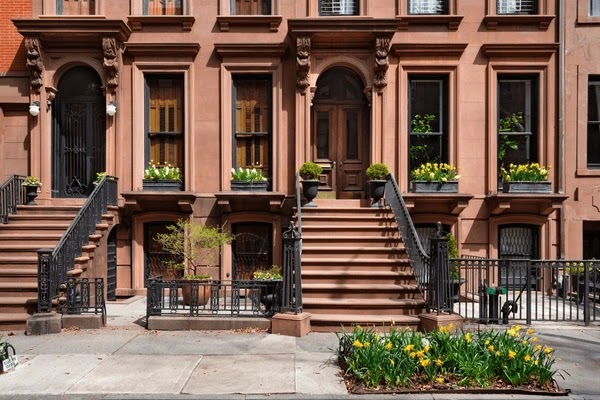
There was no choice, O’Malley pleaded. The Brooklyn Dodgers couldn’t move to Flushing, he claimed…because of their name.

They could no more be the “Long Island Dodgers,” than they could be “the Long Island Redskins.” And if they stayed in Ebbets Field, they were about to turn into the Washington Senators.


/cdn.vox-cdn.com/uploads/chorus_asset/file/23652955/1241525974.jpg)









 Posts
Posts


